
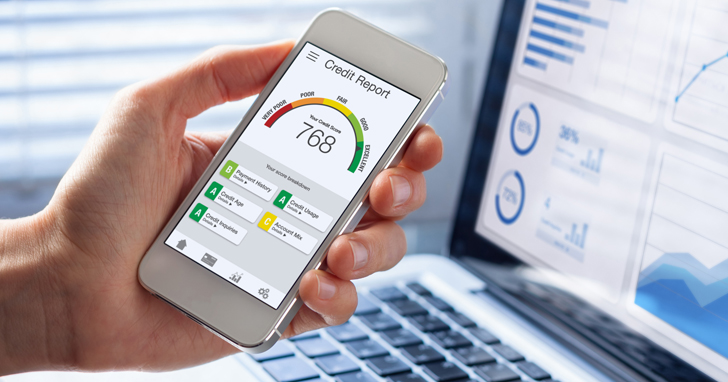
While a plastic card may not seem particularly influential, in today’s financial landscape, your credit score plays a pivotal role when it comes to accessing various key opportunities. Whether it’s getting a loan approved, qualifying for lower interest rates, securing rental properties, or even landing a job, maintaining a good credit score is essential for unlocking favorable financial opportunities. The most empowering aspect? Your credit score is a direct reflection of your financial actions and habits, meaning it’s entirely within your control to shape and improve.
From Data to Score: How Your Credit Score is Calculated
The first step is to understand how this 3 digit number is derived in the first place. For one, a credit score is calculated using the data and information from your credit reports. This data is processed while adhering to a standard—the most common being FICO® (FICO reports are the most popular standard used to calculate credit scores). FICO scores operate by comparing the information in your credit reports to thousands of past reports to detect patterns and appropriately estimate your credit score based on similar data. This means your credit score reflects your credit history relative to these thousands of other reports, where higher scores signify strong credit management and lower scores may indicate potential needs for improvement.

The Big Picture: Why Your Credit Score Matters
Next, it is important to understand what this number represents and how it can impact you. The whole idea of a credit score, in short, is a way to estimate how reliable you are when it comes to handling your financial responsibilities. For example, if you apply for a loan, your credit score represents and influences whether or not you qualify for that loan, as it evaluates the level of risk lenders will be taking based on your past history of repaying credit on time; a credit score helps lenders evaluate your credit report by summarizing the risk. Beyond loans, your credit score can also impact your ability to obtain insurance, interest rates, rent, mortgages, auto loans, credit cards, and other credit products. In a nutshell, your credit score holds a lot of power over your financial future and can significantly affect your economic decisions.
Key Factors You Need to Know
Before we dive into how to improve an existing credit score, it’s beneficial to analyze the major factors that contribute towards evaluating your credit score (i.e. what affects your credit score).
- Payment History: it is crucial to make your payments in a timely manner
- Amounts Owed: your credit utilization ratio (percentage represents how much of your total credit limit you’re actively using); a lower ratio is better for your score, and once you pay off a high balance on your credit card, this ratio goes down which then increases your credit score
- Duration: experience with credit accounts, or a longer credit history, usually results in a higher score
- Credit mix: your score benefits if lenders see that you can effectively manage a mix of credit types and credit cards
- New credit: by taking on new debt (e.g., getting a new credit card or loan) you might struggle with existing ones, which is why your credit score can drop when lenders check your credit report (a hard inquiry). However, if you continue to prioritize your payment history, your score usually recovers quickly.
Weightage of each category according to FICO Score Factors:

Your Guide to Taking Control and Mastering Your Credit Score
Knowing what goes into consideration when calculating your credit score, the good news is that this number can fluctuate as it is a product of your decisions. Meaning, that with time and better financial choices you can improve your credit score. The closer your credit score is to your desired goal, the shorter the duration required. Conversely, if your credit score hasn’t been the best so far, it may take more time to improve. The most basic but sure-shot habits that make a difference include:
- Making payments on time (showing lenders your reliability and allowing them to take more risk)
- Maintaining a low credit utilization ratio (spending less than the limit on your cards)
- Trying to lengthen your credit history by keeping old accounts open and proving your experience
- Regularly checking your credit reports to make sure the information is accurate and updated
Works Cited
Akin, Jim. “What Affects Your Credit Scores?” https://www.experian.com/blogs/ask-experian/credit-education/score-basics/what-affects-your-credit-scores/.
DeNicola, Louis. “What Is a Good Credit Score?” https://www.experian.com/blogs/ask-experian/credit-education/score-basics/what-is-a-good-credit-score/.
“What Are the Different Ranges of Credit Scores?” https://www.equifax.com/personal/education/credit/score/articles/-/learn/credit-score-ranges/.